

5 Common Snowblower Problems That Require Professional Repair
Snowblowers are essential for heavy-snow areas but can develop faults. This guide covers five common issues: engine starting trouble, auger failures, fuel leaks, and engine sputtering. We’ll explain causes, symptoms, and when professional help is needed to save time and prevent costly repairs.
Why Won’t My Snowblower Engine Start? Common Causes and Professional Fixes
A non-starting snowblower is frustrating. Common causes include a worn spark plug, clogged carburetor, or stale fuel, preventing the engine from firing.
What Are the Symptoms of a Snowblower Engine That Won’t Start?
Symptoms include no cranking, clicking/grinding, engine turning over but not catching, sputtering, or smoke. These indicate ignition, fuel, or mechanical problems.
When Should You Call a Professional for Engine Starting Problems?
If basic checks (fresh fuel, clean spark plug, open fuel shutoff) fail, call a pro. Electrical faults, carburetor issues, or internal engine problems require expert diagnosis and repair.
How to Address Snowblower Auger Not Spinning Issues with Expert Repair
When the auger stops, snow clearing halts. Understanding causes helps determine if a simple fix or professional repair is needed.
What Causes a Snowblower Auger to Stop Spinning?
Common causes include a broken shear pin, worn drive belt, or debris jamming the auger housing, all preventing power transfer to the blades.
Why Is Professional Auger Repair Important?
Improper DIY repairs risk further damage. Technicians safely remove obstructions, replace parts correctly, and check components to prevent repeat failures.
What to Do About Snowblower Leaking Gas: Repair Costs and Solutions
Fuel leaks are a serious safety concern, posing fire hazards and potential engine damage if not addressed immediately.
How to Recognize Gas Leaks in Your Snowblower
Signs include gasoline smell, wet spots/puddles, or fuel stains. Any visible fuel near the engine or tank requires immediate attention.
When Is Professional Gas Leak Repair Necessary?
All suspected fuel leaks require professional service. Technicians safely locate and repair/replace faulty fuel lines, tanks, fittings, or carburetors. Never run or store a leaking machine indoors.
Common Snowblower Engine Problems and Expert Repair Solutions
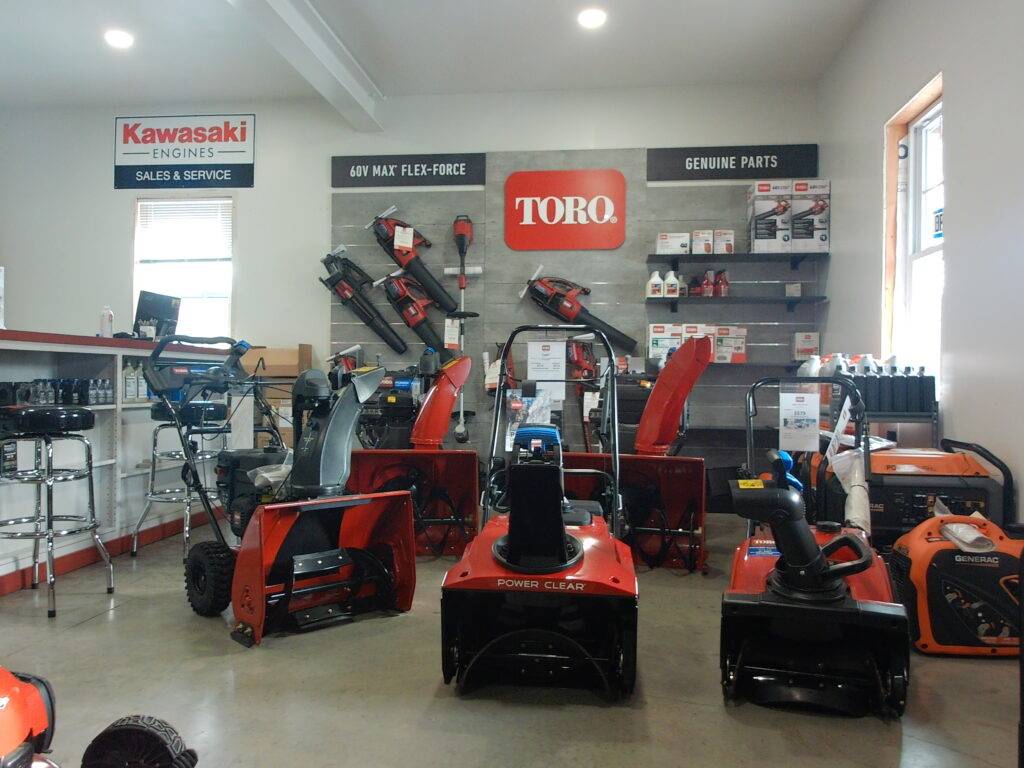
Engine sputtering indicates inconsistent fuel or spark, reducing power and potentially stranding you in heavy snow.
What Causes Engine Sputtering in Snowblowers?
Causes include stale/contaminated fuel, clogged fuel filter, dirty carburetor, or weak spark, all disrupting fuel flow or spark timing.
When to Seek Professional Help for Engine Performance Problems?
If basic fuel system cleaning and part replacement don’t fix sputtering, a qualified technician can perform full diagnostics (fuel, carburetor, ignition) to restore performance.
| Problem | Common Cause | Recommended Action |
|---|---|---|
| Engine won’t start | Faulty spark plug | Replace the spark plug |
| Auger not spinning | Broken shear pin | Replace the shear pin |
| Gas leak | Damaged fuel line | Repair or replace the fuel line |
| Engine sputtering | Clogged fuel filter | Clean or replace the fuel filter |
Snowblowers require occasional professional attention for reliability. Recognizing common problems and their fixes helps prevent larger repairs, keeping your machine storm-ready.
Frequently Asked Questions
What maintenance should I perform on my snowblower to prevent common issues?
Perform routine maintenance: change oil, replace spark plug/air filter, use fresh stabilized fuel, inspect fuel lines, lubricate parts, and clear debris. These steps extend life and prevent repairs.
How can I troubleshoot my snowblower before calling a professional?
Check basics: fresh fuel, tight spark plug, and visible belt/auger damage. Clear jams and attempt starting. Note any smells, sounds, or leaks to assist technicians.
Are there any safety precautions I should take when using a snowblower?
Wear gloves and sturdy footwear; keep loose clothing away from moving parts. Clear debris from the work area. Never reach into the auger/chute while running; shut off and wait for parts to stop. Avoid operating gas models indoors due to carbon monoxide.
What should I do if my snowblower is under warranty and needs repairs?
Review warranty terms and contact the manufacturer or retailer for authorized service. Keep purchase/maintenance records; unauthorized repairs can void coverage.
How can I improve the performance of my snowblower during heavy snowfall?
Maintain the unit well. Use appropriate settings (lower gears for deep snow), adjust the chute, and clear the path. For frequent heavy snow, consider a higher-capacity model or alternating passes.
What are the signs that my snowblower needs a complete overhaul?
Consider an overhaul for repeated engine failures, excessive smoke, unusual internal noises, or severe rust/wear. Frequent breakdowns may make rebuilding or replacing more cost-effective.
Conclusion
Understanding common snowblower problems and when to seek professional help simplifies winter maintenance. Prompt attention to issues like starting trouble, auger failures, fuel leaks, and sputtering ensures a reliable and safe machine. Contact Powerline Equipment for expert diagnosis and repair to keep your season running smoothly.