Read Time: 7 min
The wrong shop doesn’t just waste your money; it wastes your season. When your lawn mower won’t start, or your chainsaw stalls mid-cut, the pressure to get back to work often leads to a rushed decision. In the Lykens Valley and surrounding river towns, where our properties range from small town lots in Gratz to expansive acreage in Dalmatia and Port Trevorton, your equipment isn’t just a luxury; it’s a necessity for maintaining your land.
Choosing a repair shop based solely on the shortest drive or the lowest advertised price is a common mistake that often results in “band-aid” fixes. A reliable shop should provide more than just a spark plug swap; it should offer technical expertise, transparent pricing, and a commitment to the longevity of your machinery.
This guide will walk you through the specific criteria you should use to evaluate local shops, ensuring your equipment returns to you in peak condition, ready for the seasons ahead.
TL;DR / Quick Summary
Not every small engine repair shop is equal; knowing what to look for before you drop off your equipment can mean the difference between a $50 fix and a $500 misdiagnosis.
Key Takeaways:
- Look for shops that carry the brand of equipment you own to ensure parts availability.
- Ask about turnaround time and request a written estimate before any work begins.
- A quality shop explains the diagnosis in plain language without unnecessary upselling.
- Powerline Equipment in Dalmatia serves the Lykens Valley and Susquehanna corridor with professional, same-week turnarounds.
What to Look for in a Small Engine Repair Shop
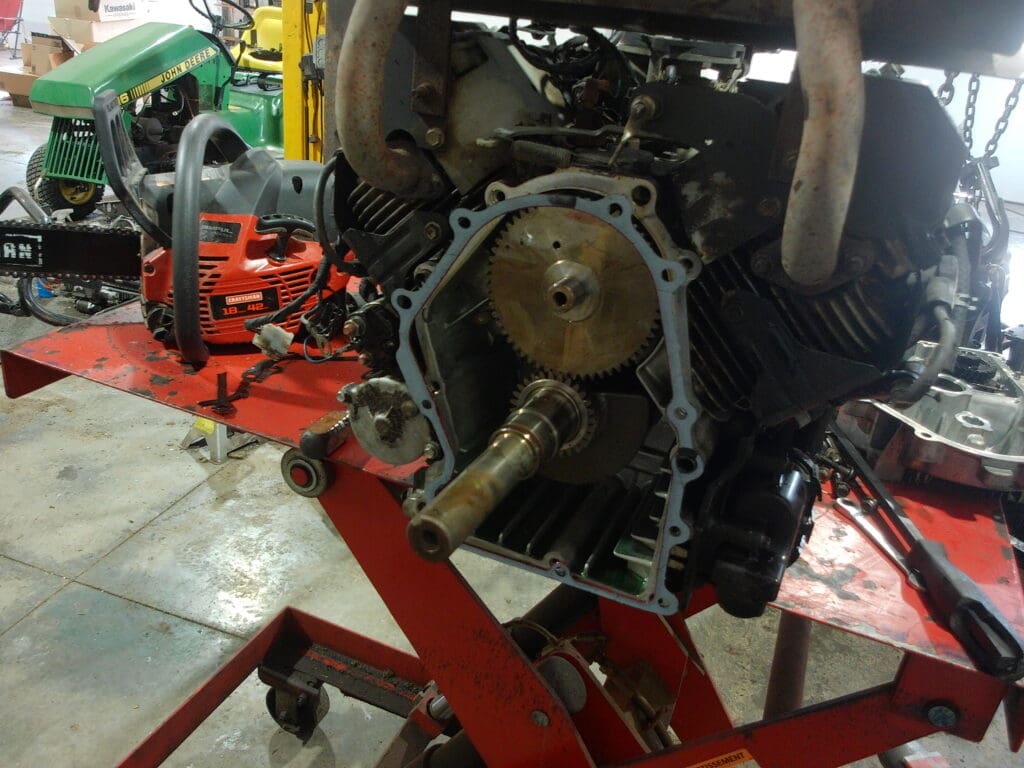
When you begin your search for small engine repair in Lykens Valley, you’ll find several options ranging from “shade tree” mechanics to professional dealerships. To protect your investment, look for these four pillars of a professional operation:
1. Brand Coverage and Parts Stock
A shop is only as good as the parts it can access. If you own a Toro mower or a Husqvarna chainsaw, you want a shop that is an authorized dealer or has a direct line to OEM (Original Equipment Manufacturer) parts. While reputable aftermarket suppliers exist, low-quality “will-fit” parts can lack the precise tolerances required for modern engines, leading to premature failure. OEM parts remain the safest choice for critical engine components.
2. Technical Expertise
Small engines have become increasingly complex with the introduction of electronic fuel injection (EFI) and advanced governor systems. Ask if the technicians attend annual update seminars or hold certifications from the Equipment & Engine Training Council (EETC). Professional shops often display certifications from major manufacturers, signaling they have the specialized tools required for modern repairs.
3. Turnaround Time
In peak season, a three-week wait is common at high-volume service centers or big-box retailer referral shops. Local, independent shops in the Dalmatia and Halifax corridor often provide much faster service. Ask for a “ready-by” date. A reliable shop will be honest about their backlog rather than over-promising and letting your equipment sit in the rain for a month.
4. Pricing Transparency
You should never be surprised by a bill. A reputable shop performs a diagnostic first and contacts you with an estimate before proceeding with any repair that exceeds a pre-authorized limit (typically $50–$100).
Questions to Ask Before Dropping Off Your Equipment
Before you unload your equipment, ask these five questions to gauge the shop’s professionalism:
- “Are you an authorized dealer for my brand?” Authorized dealers have access to service bulletins and recall information that independent shops might miss.
- “What is your diagnostic fee, and does it apply toward the repair?” Most professional shops charge a flat fee (typically $40–$80) to find the problem, which is then rolled into the labor cost if you move forward.
- “Do you offer a warranty on your work?” Look for a shop that stands behind its repairs for at least 30 to 90 days.
- “Will you call me if the repair cost exceeds the value of the machine?” A trustworthy mechanic will tell you when it’s time to stop pouring money into an old unit.
- “Do you use OEM or aftermarket parts?” Knowing the source of your parts helps you understand the balance between cost and long-term reliability.
What to Expect From a Quality Repair Visit
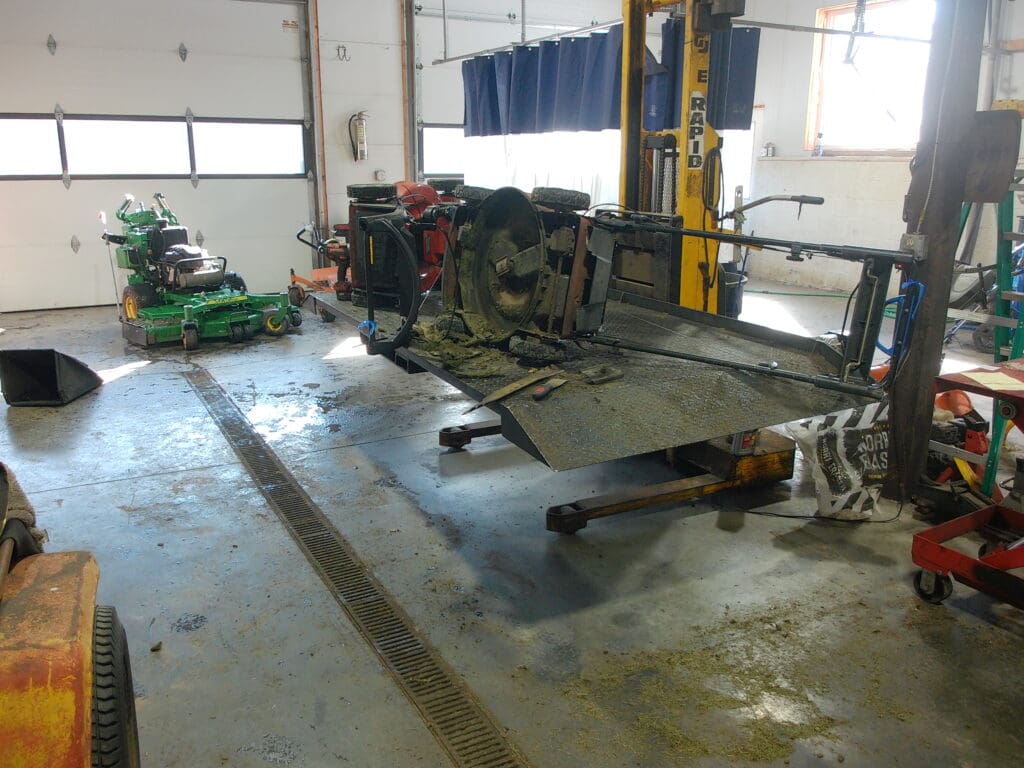
A professional repair experience follows a predictable, transparent process. At Powerline Equipment, we believe the intake process is just as important as the mechanical work.
The Intake and Diagnostic
When you arrive, the shop should document the specific symptoms you’re experiencing. “It won’t start” is a start, but “it starts but dies after 10 minutes” helps the tech narrow down the issue to the fuel system or ignition coil much faster.
The Estimate
Once the technician identifies the failure, you should receive a call or text with a breakdown of parts and labor. This is the time to ask about the “why” behind the repair. For example, if a carburetor needs a rebuild, the tech should explain if it was caused by ethanol damage or a failed gasket.
The Pickup and Testing
A quality shop doesn’t just hand you the keys. They should be willing to start the unit in your presence to demonstrate that the issue is resolved. They should also provide you with the old parts upon request—this is a hallmark of transparency in the repair industry.
What You Can Handle vs. When to Call a Pro
Understanding the limits of DIY can save you from turning a simple maintenance task into an expensive repair.
Tasks Most Homeowners Can Do
- Air Filter Replacement: This is a 5-minute job that prevents dirt from entering the engine.
- Spark Plug Swaps: If your mower is hard to start, a new plug is a safe and inexpensive first step.
- Fuel Stabilization: In our experience, fuel degradation is behind the vast majority of the no-start calls we see in the Lykens Valley. Adding stabilizer to your gas can prevent these issues.
Tasks for Confident DIYers
- Oil Changes: Requires basic tools and a way to responsibly dispose of old oil.
- Blade Sharpening: Requires a grinder or file and the ability to properly balance the blade afterward.
When to Call a Professional
- Carburetor Rebuilds: These involve tiny, precise components and specialized cleaning equipment that most home garages aren’t equipped for.
- Governor Issues: Incorrectly adjusting a governor can cause an engine to “over-rev,” leading to catastrophic internal failure.
- Crankshaft or Transmission Problems: These require splitting the engine case or specialized pullers.
- Red flags requiring immediate attention: If you hear a metallic knocking sound, see blue smoke, or feel excessive vibration, stop the engine immediately and call a pro.
Common Mistakes When Choosing a Repair Shop
Avoid these three pitfalls to ensure your equipment gets the care it deserves:
- Choosing on Price Alone: The cheapest labor rate often belongs to the least experienced tech. In the long run, paying for a correct diagnosis the first time is cheaper than paying for three “guesses” at a budget shop.
- Not Asking About Brand Certification: If a shop isn’t certified for your brand, they may not have the specific torque specs or clearance measurements required for your engine.
- Skipping the Written Estimate: Verbal “ballpark” figures lead to disputes. Always insist on a written or digital record of the quoted price.
Who We Serve in the Lykens Valley & Susquehanna Corridor
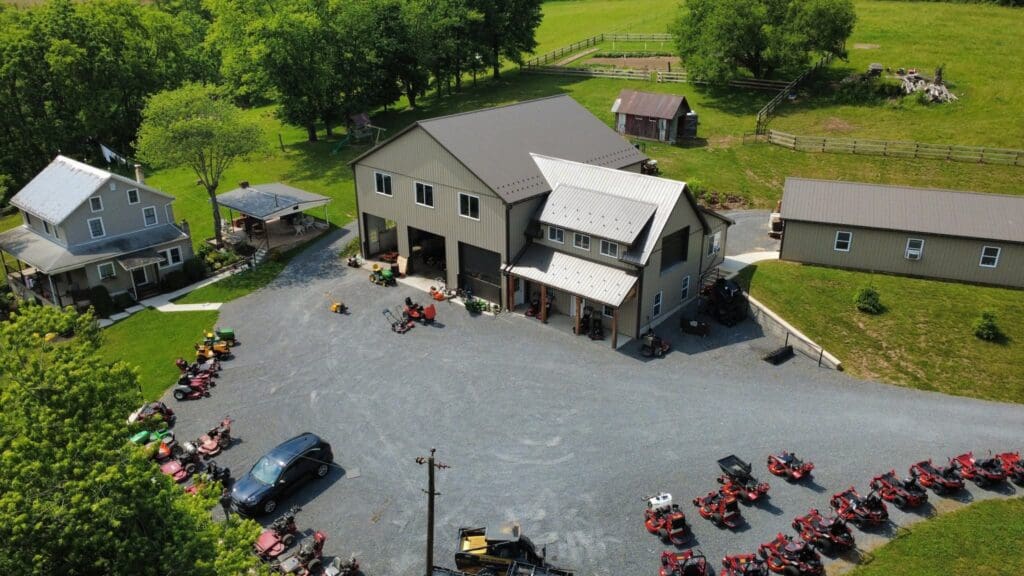
We understand the specific needs of our neighbors because we live here too. Powerline Equipment provides professional small engine repair for residents across the region, including:
- Dalmatia, Herndon, & Port Trevorton: Our home base for expert service along the river.
- Lykens, Gratz, & Berrysburg: Supporting the heart of the valley’s residential and agricultural needs.
- Elizabethville, Halifax, & Tower City: Reliable maintenance for homeowners along the Route 209 and Route 147 corridors.
- Millersburg, Duncannon, & Liverpool: Keeping river-town equipment running all season long.
Conclusion
Finding a reliable small engine repair shop in Lykens Valley doesn’t have to be a gamble. By looking for brand-authorized expertise, insisting on transparency, and choosing a shop that understands our local community, you can ensure your equipment stays in the field and out of the scrap heap.
At Powerline Equipment, we’ve built our reputation on same-week turnarounds and honest, plain-language diagnostics. We don’t just fix engines; we help you get back to work.
Ready to get your equipment back in peak condition?
Visit us at 1069 Mahantongo Creek Rd, Dalmatia, or call us at (717) 517-2364 to schedule your seasonal tune-up or repair.
Serving Dalmatia, Lykens, Gratz, Berrysburg, Millersburg, and surrounding Central Pennsylvania.
Frequently Asked Questions
How long does small engine repair typically take?
At Powerline Equipment, we strive for same-week turnaround on most common repairs, provided parts are in stock. During the peak spring and fall seasons, industry-wide wait times can stretch to 2–3 weeks, so we recommend bringing equipment in for “pre-season” maintenance in February or October to avoid the rush.
Is it worth repairing an older lawn mower or should I replace it?
The general rule is the “50% Rule”: if the repair cost exceeds 50% of the price of a comparable new unit, replacement is often the better investment. However, high-quality commercial-grade equipment is almost always worth repairing, as the engines are designed to last for thousands of hours with proper maintenance.
What does a small engine tune-up include?
A professional tune-up at Powerline Equipment typically includes an oil change, new spark plug, air filter replacement, fuel system inspection, and blade sharpening or chain tensioning. We also check the RPM settings and clean the cooling fins to prevent engine overheating during the hot Pennsylvania summers.
How do I know if a repair shop is certified for my brand of equipment?
Most manufacturers, such as Toro or Husqvarna, list their authorized service dealers on their official websites. You can also look for official dealer signage at the shop. Authorized dealers are required to meet specific standards for technician training and tool inventory.
What’s the average cost of small engine repair?
Most repairs fall between $75 and $250, depending on the complexity of the issue and the cost of parts. A simple carburetor cleaning is on the lower end, while internal engine work or transmission repairs will be higher. Always ask for a diagnostic estimate to get a firm number for your specific machine.
Related Resources
- Small Engine Repair Services
- Service Area: Dalmatia, PA
- Service Area: Lykens, PA
- Service Area: Gratz, PA
Sources
- Equipment & Engine Training Council (EETC) — The industry standard for outdoor power equipment technician certification and training.
- OSHA Website — Safety standards for the operation and maintenance of gasoline-powered equipment.
- Toro Customer Support Page