

TLDR / Quick Answer
Is your generator ready to run? Your generator is ready if you’ve run it monthly for 30 minutes under load, performed annual maintenance (oil change, filter replacement, battery check), and tested the automatic transfer switch within the last 3 months.
Key Takeaways:
- Run your standby generator monthly for 30 minutes under load to prevent fuel system issues
- Perform comprehensive maintenance annually or every 100-200 operating hours
- Battery failure is the #1 cause of generator start problems during outages
- Load testing ensures your generator can handle actual power demands when needed
- Year-round maintenance prevents costly emergency repairs ($2,000-5,000+)
Time to Read: 8-9 minutes
Why should you regularly maintain your generator?
Generators provide backup power during outages, but ensuring they are ready requires regular maintenance and testing. This guide covers essential maintenance schedules, testing methods, fuel and battery management, and troubleshooting tips to keep your generator reliable when you need it most.
What Is the Essential Generator Maintenance Schedule?
A maintenance schedule ensures your generator stays operational and reliable by identifying issues early. Key tasks include routine inspections, cleaning, and servicing at set intervals.
How Often Should You Run and Service Your Generator?
Run your generator at least once a month to keep it in good condition. During this run, check oil levels and perform a visual inspection. Annual servicing includes thorough inspection and part replacement. Frequent use may require more frequent servicing per manufacturer guidelines.
Key Maintenance Tasks to Keep Generators Operational
Regular maintenance tasks include:
- Cleaning: Remove dust and debris; keep air vents clear.
- Oil Changes: Follow manufacturer recommendations, typically every 50-60 hours or once per season.
- Air Filter Inspections: Replace as needed for optimal airflow and engine performance.
These tasks maintain efficiency and longevity.
Engine Generator Lubrication System Maintenance
Lubricating oil reduces friction and wear between moving parts, cools components by carrying heat away, cleans dirt and metal particles to filters, and helps seal pistons during combustion.
DOE Backup Power Working Group Best Practices Handbook for Maintenance and Operation of Engine Generators, Volume II, 1998
How Do You Perform Effective Generator Testing Procedures?
Testing ensures your generator can handle expected loads during outages.
Step-by-Step Load Testing Methods
- Connect a Load Bank: Simulate electrical load.
- Run the Generator: Warm up for 5-10 minutes.
- Apply the Load: Gradually increase load while monitoring.
- Monitor Parameters: Check voltage, frequency, and temperature.
- Record Results: Document performance data.
This identifies issues under load conditions.
Diagnosing Generator Readiness Through Testing
- Voltage and Frequency Checks: Ensure stability under load.
- Fuel System Inspection: Look for leaks or blockages.
- Battery Condition Assessment: Test voltage and connections.
These checks confirm readiness.
Best Practices for Fuel and Battery Management
Fuel quality and battery health are critical for reliable operation.
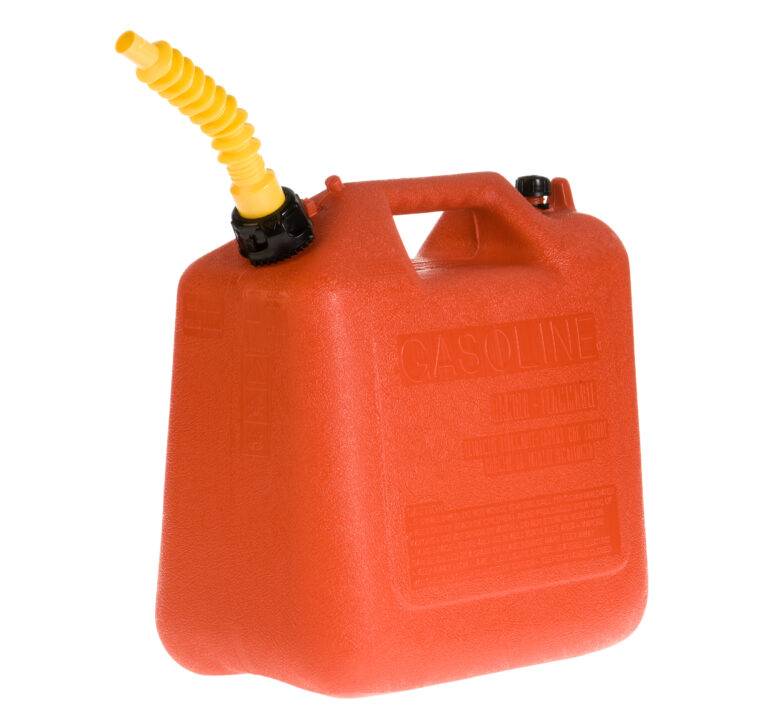
Managing Fuel Types and Stabilization
- Use Recommended Fuel: Gasoline, diesel, or propane as specified.
- Fuel Stabilization: Add stabilizers if unused for over 30 days.
- Proper Storage: Store fuel in cool, dry, shaded areas.
These maintain fuel quality and performance.
Battery Upkeep and Replacement
- Regular Charging: Keep battery charged if generator is infrequently used.
- Inspection: Check and clean terminals regularly.
- Replacement: Replace every 2-4 years or if starting issues arise.
These steps ensure reliable starts.
Automated UPS Battery Maintenance for Generators
An advanced system uses sensors and real-time data to monitor electrolyte levels and automatically replenish distilled water, optimizing UPS battery upkeep.
Design and fabrication of automatic UPS battery maintenance system, R Nithyaprakash, 2023
DIY vs Professional: What You Can Do Yourself
Knowing your limits saves money and ensures reliability.
Tasks Any Homeowner Can Handle
- Monthly test runs: Run for 30 minutes under load to prevent fuel gumming and lubricate components.
- Visual inspections: Check for leaks, loose connections, debris, and nests.
- Oil level checks: Verify before each run to avoid engine damage.
- Battery terminal cleaning: Remove corrosion for reliable starts.
- Air filter cleaning: Remove debris between replacements.
- Fuel stabilizer addition: Prevent gasoline degradation.
Tasks for Mechanically-Inclined DIYers
- Oil and filter changes: Follow manufacturer specs (every 100 hours or annually).
- Spark plug replacement: Every 100-200 hours using basic tools.
- Coolant system maintenance: Flush and replace coolant as scheduled.
- Basic fuel system cleaning: Clean external lines and replace filters.
When to Call a Professional
Tasks requiring licensed technicians:
- Load bank testing
- Transfer switch diagnostics
- Fuel line repairs
- Engine repairs
- Compliance testing
Immediate professional help needed if:
- Generator won’t start after multiple attempts
- Unusual noises (knocking, grinding, squealing)
- Smoke or burning smells
- Fuel or oil leaks
- Transfer switch failure
- Voltage irregularities
- Recent storm damage
Pro tip: Annual professional maintenance costs $50-70 (+parts) with PowerLine’s generator service package and prevents costly emergency repairs.
7 Common Generator Maintenance Mistakes to Avoid
Avoid these to keep your generator reliable.
1. Skipping Monthly Exercise Runs
Wrong: Only start during outages.
Problem: Fuel degrades, batteries discharge, seals dry out.
Right: Run monthly for 30 minutes under 30% load.
Protip: Schedule runs on the same day and power real loads.
2. Neglecting Battery Maintenance
Wrong: Ignore battery health until failure.
Problem: Battery failure is top start issue.
Right: Check voltage monthly, clean terminals quarterly, replace every 3-4 years.
Protip: Fix battery issues found during tests.
3. Using Old or Improper Fuel
Wrong: Use fuel older than 6 months or wrong type.
Problem: Clogs carburetors, damages engines.
Right: Add stabilizer, use correct fuel, replace every 6 months.
Protip: Mark fuel cans with purchase dates.
4. Running Without Proper Load
Wrong: Test at idle or overload.
Problem: Low loads cause damage; overloads cause failure.
Right: Test at 30-50% rated load.
Protip: Simulate real outage conditions.
5. Ignoring Oil Changes
Wrong: Extend intervals or use wrong oil.
Problem: Engine wear and shorter lifespan.
Right: Change after first 25-30 hours, then every 100 hours or annually.
Protip: Change before storm season.
6. Poor Storage Location
Wrong: Place too close to homes or unventilated areas.
Problem: Carbon monoxide risk, overheating, weather damage.
Right: Install 20 feet from structures with ventilation.
Protip: Use a carbon monoxide detector nearby.
7. Skipping Professional Annual Service
Wrong: Rely only on DIY.
Problem: Miss hidden issues and compliance.
Right: Schedule annual professional service.
Protip: Maintenance contracts often include emergency priority service.
Setting Up for Seamless Power Transitions
A generator must power your home smoothly during outages.
Automatic Transfer Switch (ATS): Detects outages and switches power within 10-30 seconds. Test quarterly by simulating an outage and verify smooth switching.
Response Time Optimization: Modern ATS switch in under 10 seconds to prevent disruptions. Regular testing prevents seizing and ensures electronics work.
Load Prioritization: ATS should power critical circuits first (refrigeration, heating/cooling, lights, medical devices). Non-essential loads should be on separate circuits enabled manually if capacity allows.
Stay tuned for our upcoming guide on ATS setup and troubleshooting.
Frequently Asked Questions
How often should I run my generator?
Run monthly for 30 minutes under at least 30% load. Perform maintenance annually or every 100-200 hours to prevent issues and ensure reliability.
What maintenance does a generator need annually?
Includes oil and filter changes, spark plug inspection/replacement, battery testing and cleaning, coolant check, fuel system inspection, air filter replacement, load bank testing, and ATS diagnostics. Professional service costs $150-300 and prevents emergencies.
Can I maintain my generator myself or do I need a professional?
Homeowners can do monthly runs, inspections, oil checks, battery terminal cleaning, and air filter cleaning. Mechanically-inclined can do oil changes, spark plugs, and coolant maintenance. Professionals needed for load testing, transfer switch, fuel line, and engine repairs.
How long does generator maintenance take?
Monthly runs take 30 minutes. DIY oil changes take 30-45 minutes. Professional service takes 2-3 hours. Schedule during non-emergency times to avoid delays and higher costs.
What happens if I skip generator maintenance?
Leads to fuel clogs ($300-800), battery failure, engine wear ($3,000+ rebuilds), shorter lifespan (8-10 vs. 15-20 years), and failure during outages.
How much does generator maintenance cost?
Professional annual service costs $150-300. DIY costs $50-100 annually. Skipping maintenance leads to higher costs: fuel cleaning, battery replacement, engine repairs, or full replacement.
What size generator do I need for my home?
Calculate essential loads: HVAC (3,000-5,000W), refrigerator (600-800W), lights (500-1,000W), well pump (1,000-2,000W), critical devices (300-500W). Add 20% buffer. Most homes need 7,500-15,000W for essentials or 20,000+W for whole-home.
How do I know if my generator needs professional repair?
Call a professional if it won’t start after multiple attempts, makes unusual noises, emits smoke or burning smells, leaks fuel or oil, fails to produce proper voltage, or if the ATS doesn’t activate.
TL;DR / Quick Answer
Generator readiness requires regular exercise (monthly 30-minute runs under load), scheduled maintenance (annual professional service plus DIY upkeep), and proactive testing (quarterly ATS and load testing).
Most failures stem from preventable issues: dead batteries, clogged fuel, and seized components. A dormant generator is likely to fail when needed.
Your next steps: Schedule your monthly test run this week. If your last professional service was over a year ago, book now before storm season. Test your ATS for seamless transitions. Review and replace fuel and oil older than 6 months.
PowerLine Equipment specializes in generator maintenance and repair. Our technicians perform annual inspections, load testing, and emergency repairs to keep your backup power reliable. Contact us at 570-758-2151 to schedule service.
Remember: generators need care. Investing 30 minutes monthly and one professional service annually protects your $5,000-25,000 investment and ensures power when it matters.
Recent Blog Resources
Continue Learning:
- Snowblower Maintenance Tips for a Smooth Winter – Keep your winter equipment ready with proper maintenance
- How to Choose the Right Snowblower for Homeowners – Select the right outdoor power equipment for your needs
- Lawn Mower Troubleshooting Guide for Everyday Repair Needs – Essential maintenance for all your power equipment
- Lawn Mower Blade Problems – Helpful tips on how to care for your lawn mower blades
External Resources:
- NFPA 110: Standard for Emergency Power Systems – Official safety and maintenance standards for standby generators
- Generac Generator Maintenance Guide – Manufacturer specifications and maintenance schedules from leading generator company
- FEMA Generator Safety Guidelines – Federal emergency management guidance on safe generator operation during disasters