
Read Time: 11 min
Why do two lawn mowers that look nearly identical on a showroom floor carry price tags that are $800 to $2,000 apart? If you’re shopping for a zero-turn mower, garden tractor, or commercial trimmer, the wide range of prices can feel confusing.
In rural Central Pennsylvania, where properties range from half-acre borough lots in Lykens to 10-acre homesteads in Gratz and Dalmatia, choosing the right machine directly impacts your time, safety, and bank account. A machine built for flat residential turf will break down fast under the demands of a rocky hillside pasture.
This guide breaks down what actually drives equipment costs, what separates cheap machines from long-term investments, and how to evaluate what you’re buying before spending your money.
TL;DR / Quick Summary
Outdoor power equipment pricing is determined by engine metallurgy, frame and deck construction, hydraulic transmission quality, and the post-sale dealer support included with your purchase.
Key Takeaways:
- Engine brand and series tiering represent major price and durability drivers
- Fabricated steel decks and serviceable hydrostatic drives prevent costly premature failures
- The true cost of ownership includes 5-year repair frequency, parts availability, and downtime
- Local dealer pricing includes full pre-delivery setup, fluid calibration, and warranty advocacy
- Tier matching ensures you never overpay for commercial features or underbuy for rugged terrain
What Drives Equipment Pricing: Core Engineering Factors
When you compare price tags across outdoor power equipment, you’re really evaluating the durability of internal mechanical assemblies; two machines with matching cutting widths often share few structural components beneath the paint.
1. Engine Metallurgy and Air Filtration Systems
The engine is the single largest component cost in any motorized machine. Major manufacturers produce entry-level and commercial-grade lines under the same brand:
- Residential Engines: Aluminum cylinder walls, stamped pushrods, and splash lubrication for 25 to 50 hours of annual use in light dust.
- Commercial Engines (Kawasaki FX, Kohler Command Pro, Vanguard): Cast-iron cylinder sleeves, forged crankshafts, full-pressure lubrication with oil coolers, and multi-stage canister air filters built for 8-hour daily runs in 90-degree heat.
2. Deck Construction: Stamped vs. Fabricated Steel
- Stamped Decks (12- to 14-Gauge): Pressed from a single lightweight sheet. Great airflow on pristine lawns, but can bend or crack on hidden shale, rocks, or roots.
- Fabricated Decks (7- to 10-Gauge): Welded from thick steel plates, often with 1/4-inch side wear guards, resisting impact deflection for decades.
3. Hydrostatic Transmissions and Duty-Cycle Ratings
Hydraulic drive pumps can represent up to 30% of a zero-turn mower’s cost:
- Sealed Transaxles: Non-serviceable units with no external filters or drain ports. Once the hydraulic fluid breaks down under heat, the entire transaxle must be replaced at significant expense.
- Commercial Serviceable Hydrostats: Spin-on oil filters, charge pumps, steel internal gears, and large fluid expansion tanks that allow routine fluid flushes every 250 hours.
To see these structural differences, browse our current showroom models on our Products page.
Consumer vs. Prosumer vs. Commercial Tiers Explained
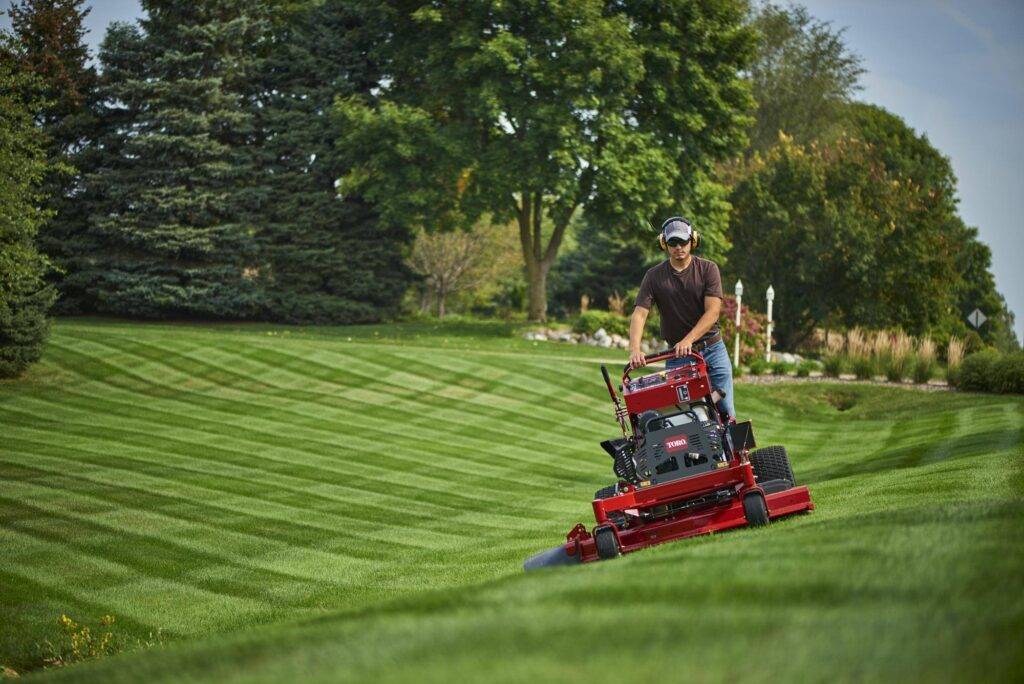
Understanding equipment tiers ensures you buy the machine engineered for your acreage and workload.
| Equipment Tier | Price Benchmark (2026)* | Annual Duty Cycle | Recommended Property Size | Key Engineering Specs |
|---|---|---|---|---|
| Consumer / Entry | $2,400 – $3,999 | 25–50 hrs/yr | Up to 1 Acre | Stamped 12-ga deck, sealed transaxle, single-stage air filter |
| Prosumer / Heavy Res | $4,200 – $7,499 | 100–250 hrs/yr | 1 to 4 Acres | Fabricated 10-ga deck, serviceable hydrostatic drive, V-Twin engine |
| Commercial / Pro | $7,800 – $14,000+ | 500–1,200+ hrs/yr | 5+ Acres / Pro Use | Fabricated 7-ga deck, heavy canister filtration, high-output pumps |
*Illustrative market ranges only.
Consumer Tier: Budget-Focused Residential. Best for a flat half-acre mowed weekly for six to eight months; an entry-level machine delivers dependable cut quality anywhere from 4 to 7 years, but rough pasture or steep ditch lines quickly strain its light frame and sealed transmission.
Prosumer Tier: The Rural Property Sweet Spot. Built for 1 to 4 acres of varied terrain, combining fabricated decks and serviceable hydrostatic drives with comfortable high-back seating. Toro and Husqvarna design these lines for demanding estate maintenance.
Commercial Tier: Industrial Production. Built for landscape contractors, working farms, and large properties. Reinforced tubular steel chassis, oversized spindle bearings, and ground speeds up to 12 mph let them run all day without mechanical degradation.
The Hidden Cost of Cheap Equipment: A 5-Year Ownership Math
The sticker price of a low-cost machine rarely reflects what you’ll spend over five years, especially when it’s tasked with rough terrain.
| Ownership Expense | $3,200 Consumer Mower (2-Acre Property) | $5,800 Prosumer Mower (2-Acre Property) |
|---|---|---|
| Initial Purchase Price | $3,200 | $5,800 |
| Spindle & Belt Replacements (5 Yrs) | $650 | $220 |
| Hydrostatic Transmission Failure | $1,100 (unserviceable swap) | $0 (routine fluid maintenance) |
| Deck Straightening & Welding | $400 | $0 (reinforced 10-gauge steel) |
| Estimated Year-5 Resale Value | -$400 | -$2,800 |
| Real 5-Year Net Cost | $4,950 | $3,220 |
Illustrative estimates only; actual costs vary by machine, usage, and terrain.
When equipment breaks down during peak spring growth in Central Pennsylvania, replacement parts for off-brand retail units often face multi-week backorders, downtime that either forces you to hire outside mowing help or leaves your property overgrown.
If you’re having mechanical issues on your current machine, our technicians provide diagnostic and repair services. Learn more about these services on our website.
What Local Dealer Pricing Includes That Online Retailers Don’t
Buying from an online crate seller may look cheaper up front, but it delivers an unassembled box of parts, not a field-ready machine.
- Pre-Delivery Inspection and Assembly: Improper setup can lead to early failure. Ensure you’re getting the most out of your equipment with our personalized setup and training service. Our experts will show you how to operate your tools safely and efficiently for the best results on every project.
- Direct Manufacturer Warranty Registration: We register your warranty on day one. If an issue arises, we handle the claim and repair it in our shop.
- Dedicated Local Support: Online retailers can’t sharpen your blades, diagnose an electrical fault, or offer pickup and delivery for service.
Property owners throughout our Dalmatia community and neighboring Lykens rely on having an established local service department just a short drive away.
What You Can Handle vs. When to Call a Pro
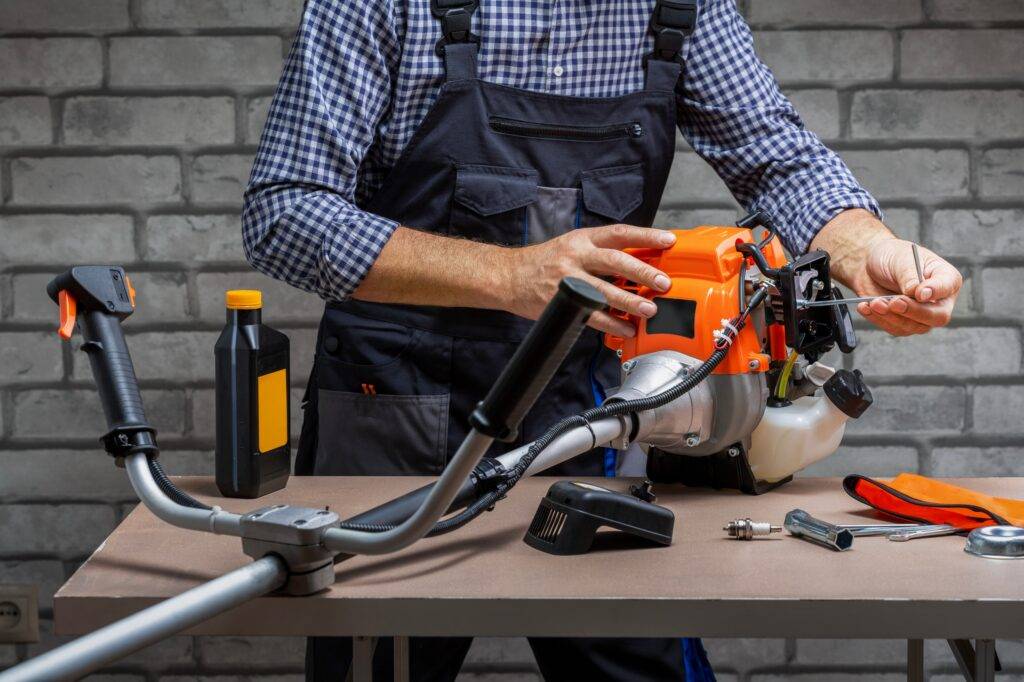
Routine care extends equipment life, but complex mechanical adjustments require specialized dealership diagnostic tools.
Tasks Most Homeowners Can Do
- Checking and Adding Engine Oil: Inspect the oil level on a level surface every 5 to 10 operating hours to prevent low-lubrication wear.
- Cleaning Under the Deck: Scrape away damp grass clippings that build up after each cut to prevent rust and maintain airflow.
- Air Filter Pre-Cleaner Maintenance: Wash foam pre-cleaners in warm soapy water every 25 hours in dry, dusty conditions.
Tasks for Confident DIYers
- Blade Sharpening and Balancing: Remove blades, grind a 30-degree bevel, balance on a cone balancer, and re-torque spindle bolts to 75–90 ft-lbs.
- Spark Plug and Fuel Filter Replacement: Replace annually with factory-gapped OEM parts to maintain smooth ignition and fuel efficiency.
When to Call a Professional
- Hydrostatic Transmission Fluid Purging: Bleeding trapped air from dual-hydro drive systems requires dedicated pressure equipment to avoid pump cavitation.
- Engine Valve Lash Adjustment: Setting valve clearances requires feeler gauges calibrated to thousandths of an inch; incorrect clearance burns exhaust valves.
Red flags requiring immediate professional attention: Metallic knocking inside the crankcase, hydraulic drive squealing under load, burning rubber smells around the PTO clutch, or uncommanded steering drift.
Common Equipment Pricing Mistakes to Avoid
1. Comparing Sticker Prices Without Checking Transmission Specs
What people do wrong: Assuming two 54-inch zero-turn mowers are identical because they share cutting width and horsepower.
Why it’s a problem: The cheaper machine often uses non-serviceable residential transaxles that burn out on steep hills more quickly.
The right approach: Verify the transmission model before comparing price tags.
2. Sizing Equipment Strictly by Acreage Rather Than Terrain
What people do wrong: Buying an entry-level lawn tractor for a 2-acre property with 20-degree slopes, shale rocks, and heavy pasture grass.
Why it’s a problem: Residential frames flex under slope stress, and light stamped decks crack on surface rocks.
The right approach: Factor in terrain roughness, hillside incline, and ground obstacles when selecting your equipment tier.
3. Overlooking Low-APR Dealer Financing Options
What people do wrong: Paying cash for a low-tier residential machine to avoid a larger purchase price.
Why it’s a problem: You end up spending more on repairs and premature replacement over five years.
The right approach: Buy high-quality equipment from a local dealer that offers warranties, repairs, and tune-ups to save money in the long run.
Price Ranges to Expect by Equipment Category (2026 Guide)
Note: Price ranges reflect typical 2026 industry benchmarks across standard equipment classes. Specific quotes vary based on engine displacement, deck width, and included accessories.
| Equipment Category | Residential Tier Range | Prosumer Tier Range | Commercial Tier Range |
|---|---|---|---|
| Zero-Turn Mowers | $3,200 – $5,200 | $5,500 – $7,800 | $8,500 – $16,900+ |
| Lawn & Garden Tractors (used inventory) | $2,400 – $4,200 | $4,800 – $6,800 | $7,500 – $11,000 |
| Commercial Walk-Behinds | Not currently stocked | Not currently stocked | $7,900 – $8,800 |
| Chainsaws (16″ to 24″) | $265 – $450 | $480 – $650 | $700 – $1,350+ |
| Backpack Leaf Blowers | $399 – $509 | $569 – $649 | $799 – $889 |
| Commercial String Trimmers | $180 – $280 | $300 – $420 | $450 – $580 |
Conclusion
Understanding outdoor power equipment pricing comes down to looking past the sticker number and evaluating build quality, duty cycle, and ongoing service support. The right tier for your property eliminates unexpected repair bills and keeps your equipment starting reliably season after season.
At Powerline Equipment, we believe in complete pricing transparency whether you’re maintaining a residential lot in Gratz, managing multi-acre slopes in Lykens, or operating a farm in Dalmatia.
Stop by our showroom to check out our equipment, inspect commercial welded decks up close, and get an honest quote tailored to your budget.
Serving Dalmatia, Lykens, Gratz, Berrysburg, Millersburg, and surrounding Central Pennsylvania.
Frequently Asked Questions
Why is commercial outdoor power equipment so much more expensive?
Commercial equipment is built with heavy 7-gauge fabricated steel, cast-iron engine cylinder liners, dual canister air filtration, and serviceable hydrostatic pumps engineered to endure 8 hours of daily commercial operation for 2,000+ total hours without mechanical fatigue.
What engine brands are considered the best for outdoor power equipment?
Kawasaki (FX and FS series), Kohler (Command Pro), and Briggs & Stratton (Vanguard commercial line) are widely considered the benchmark for commercial durability and long-term parts availability. For handheld 2-stroke equipment, Husqvarna and Stihl engines lead the industry in reliability and power-to-weight performance.
How much should I expect to pay for a good zero-turn mower?
A dependable residential zero-turn mower for 1 to 2 acres typically costs between $3,500 and $5,200. For 2 to 5 acres with hills or rough terrain, prosumer machines with serviceable hydro drives and fabricated decks range from $5,500 to $7,800.
Is it cheaper to buy equipment online or from a local dealer?
Buying online often looks cheaper initially, but it leaves you responsible for uncrating, assembly, fluid fills, engine calibration, and deck leveling. Once you factor in assembly labor, freight fees, and the lack of warranty repair priority, a local dealer typically delivers better long-term value.
What is the difference between a stamped and fabricated mower deck?
A stamped deck is pressed from a single sheet of lighter 12-to-14-gauge steel, making it lightweight and affordable for smooth residential lawns. A fabricated deck is built from thick 7-to-10-gauge structural steel plates welded together, providing superior impact resistance against rocks and tree roots on rural acreage.
Can I finance prosumer or commercial power equipment?
Yes, manufacturers offer competitive promotional financing programs, often including 0% APR options for 24 to 48 months for qualified buyers. Financing lets property owners invest in a durable commercial-grade machine with manageable monthly payments rather than settling for an undersized residential unit.
Related Resources
- Commercial Lawn Mowers
- Residential Lawn Mowers
- Services: Service packages as well as a full list of the services we offer
- How to Choose the Right Size Lawn Mower for Your Property in Central Pennsylvania
Sources
- Toro Commercial Product Lines — Engineering specifications and deck gauge comparisons across residential and commercial mower tiers.
- Husqvarna Outdoor Power Equipment — Things to keep in mind when buying a zero-turn mower.