
Read Time: 13 min
Maintaining property across Central Pennsylvania requires equipment engineered for four distinct seasons, varying elevation, and demanding terrain. Generic national home improvement checklists often assume flat turf, uniform suburban lawns, and mild climate transitions. Central PA homeowners know that properties stretching across the Lykens Valley, along the Susquehanna River corridor, or atop the steep ridges of Northern Dauphin and Northumberland counties demand a far more tailored strategy.
Our region experiences a true four-season environmental cycle. Spring green-up brings sudden moisture spikes and rapid cool-season turf growth across Kentucky Bluegrass and Perennial Ryegrass, consistent with Penn State Extension’s seasonal lawn care guidance for the region. Summer heat waves in areas like Gratz and Millersburg test engine cooling systems, blade sharpness, and air filtration. Autumn brings heavy canopy drops from mature oaks and maples that require serious debris management before snow arrives. Finally, winter brings freezing precipitation, severe nor’easters, and sudden electrical grid outages across rural corridors.
According to NOAA’s regional climate data, Central Pennsylvania experiences freezing soil temperatures and severe storm windows from early autumn through late spring. Buying generic, underpowered equipment off a big-box store floor often results in premature belt failure, inadequate cut quality, or being left stranded without electricity during a winter freeze.
This comprehensive guide outlines the essential outdoor power equipment (OPE) every Central PA property owner needs to keep their acreage pristine, safe, and fully operational year-round.
TL;DR / Quick Summary
A well-equipped Central Pennsylvania homeowner needs specialized gear for each of our four distinct seasons, from spring turf maintenance to severe winter snow removal and emergency backup power.
Key Takeaways:
- Spring & Summer Essentials: Mowers sized precisely to acreage (zero-turns recommended for 3+ acres) and commercial straight-shaft string trimmers.
- Fall Debris Management: High-CFM leaf blowers for heavy oak/maple leaf loads and wood chippers for tree-lined properties.
- Winter Defense: Two-stage snowblowers for driveways over 40 feet and generators sized for essential 240V well pump loads.
- Small Farm Performance: Heavy-duty commercial-grade utility mowers and brush cutters for Dauphin and Northumberland County acreage.
- One-Stop Local Support: Powerline Equipment in Dalmatia stocks equipment, services, and finances complete equipment setups for the entire region.
Spring Equipment: Lawn Mowers & String Trimmers
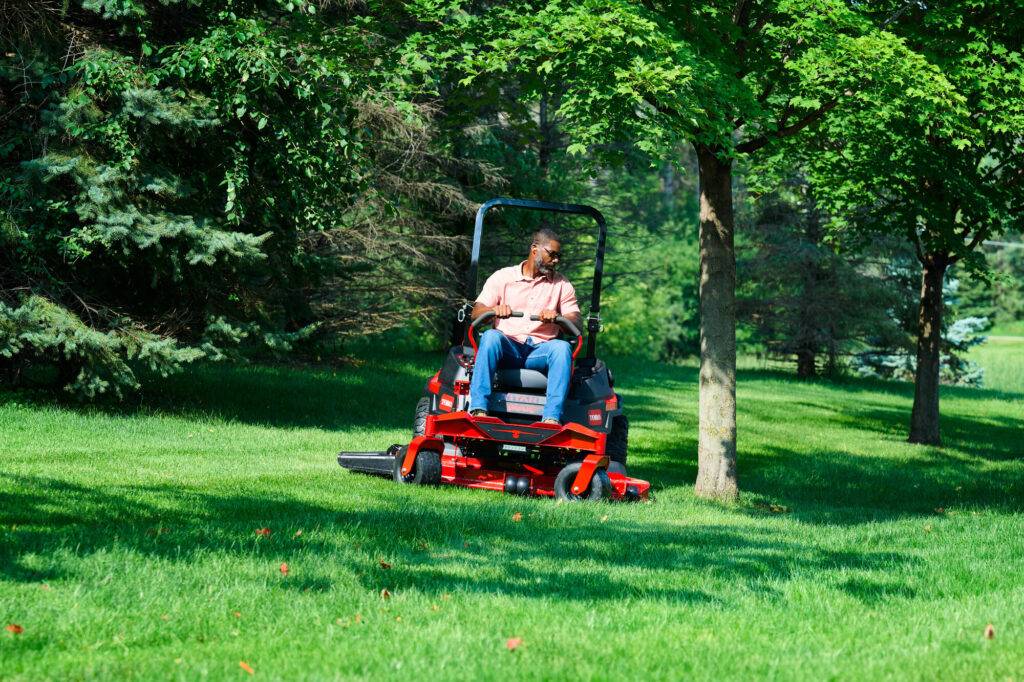
Spring in Central Pennsylvania brings rapid turf growth across cool-season grass species. Having the right mowing and trimming setup ready before the first April green-up prevents lawn scalping and engine strain during peak growth weeks.
Sizing Your Lawn Mower to Your Property
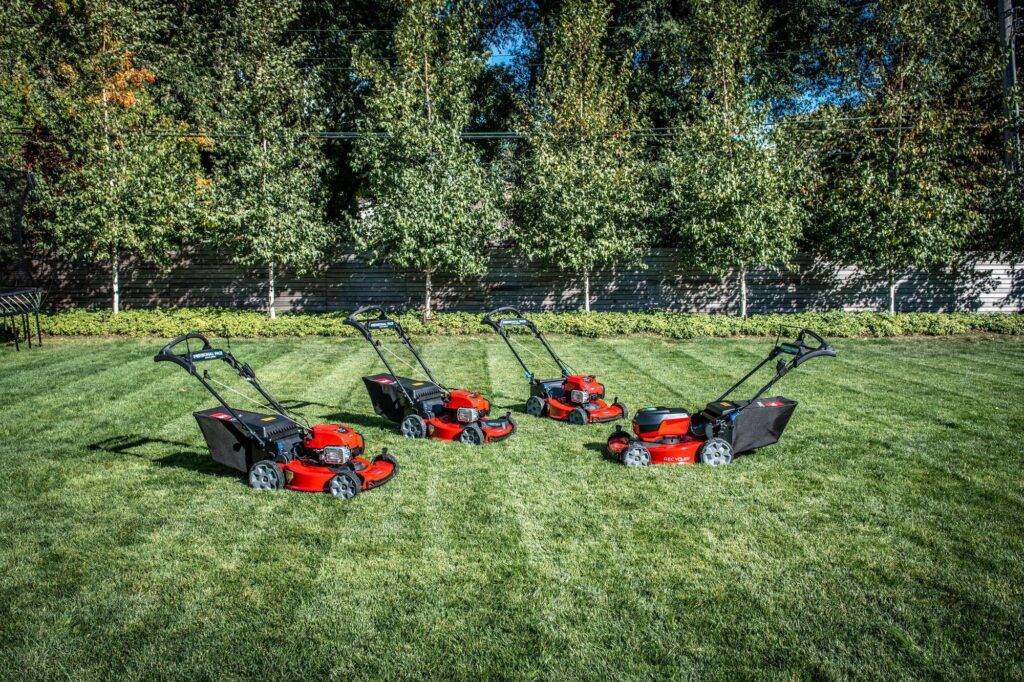
Choosing the correct mower cut deck width and drive system saves dozens of hours each season while extending machine operating life:
- Under 0.5 Acres (Town Lots): A heavy-duty 21-inch to 30-inch self-propelled walk-behind mower with mulching capabilities provides maneuverability around flower beds, porches, and narrow fencing.
- 0.5 to 3 Acres (Suburban & Rural Lots): A lawn tractor or compact residential zero-turn mower with a 42-inch to 54-inch deck handles rolling terrain and gentle slopes efficiently.
- 3+ Acres & Farmsteads: A heavy-duty residential or commercial-grade zero-turn mower with a 54-inch to 60-inch deck drastically reduces mowing time on wide open acreage.
Selecting an undersized deck forces your engine to run at maximum RPM for prolonged periods, accelerating internal thermal wear and increasing your fuel consumption per mow.
For an in-depth breakdown of deck sizes, engine displacement, and slope stability, read the full Lawn Mower Sizing Guide.
String Trimmers & Edging Tools
A reliable string trimmer is essential for clearing thick fence lines, ditches, and stone retaining walls common throughout Central PA properties.
- Straight-Shaft Trimmers: Offer longer physical reach under low-hanging shrubs and greater drive-shaft durability for taller operators compared to curved-shaft consumer models.
- Multi-Tool Attachment Systems: Allow homeowners to swap between string trimmer, pole saw, and edger attachments off a single engine powerhead, saving hundreds of dollars in engine maintenance overhead.
Summer Equipment: Zero-Turns, Blowers, & Hedge Trimmers
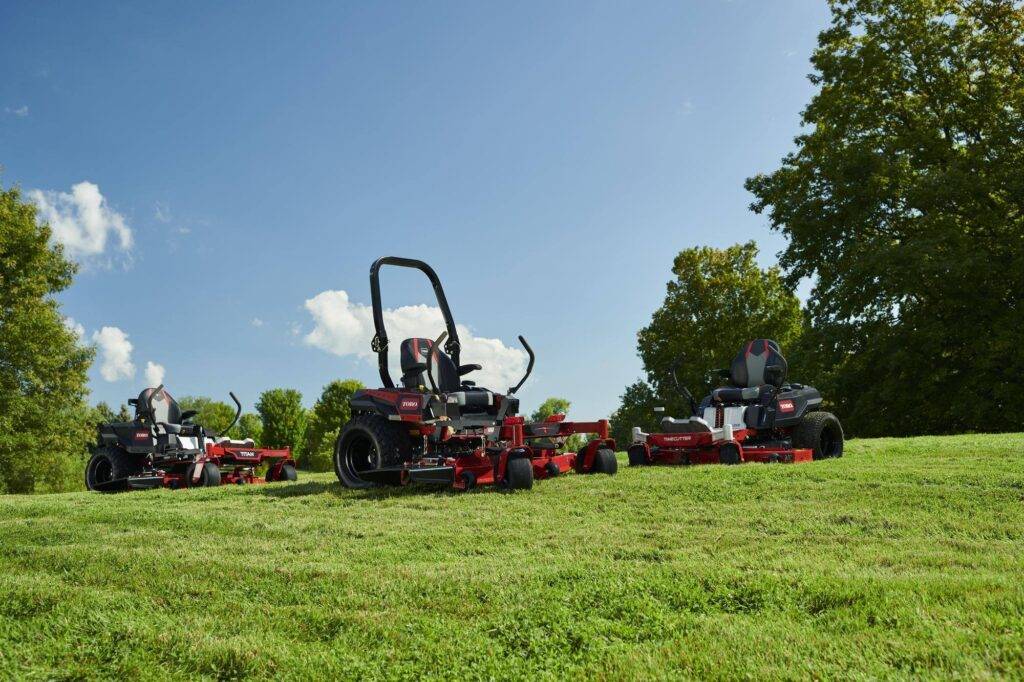
Mid-summer heat waves test both turf health and equipment endurance. Dust, dry conditions, and tough weed growth demand efficient cutting abilities and heavy-duty air filtration.
Zero-Turn Mowers for Efficiency & Heat Management
When summer heat peaks, spending hours on a low-speed lawn tractor increases operator fatigue and turf compaction. Zero-turn mowers offer clear operational benefits:
- High Ground Speed (7–10+ MPH): Can cut total mowing time by an estimated 40% to 50% on properties over 2 acres, based on typical manufacturer performance claims.
- Maneuverability: Effortlessly pivots around mature shade trees, landscaping beds, and outbuildings without requiring multi-point reverse maneuvers.
- Heavy-Duty Fabricated Decks: 10-gauge or 7-gauge welded steel decks withstand hidden rocks, tree roots, and uneven terrain far better than thin stamped steel decks.
Explore the full inventory of residential and commercial zero-turns on the Products Page.
Secondary Summer Property Tools
- Handheld & Backpack Blowers: Essential for clearing grass clippings off driveways, walkways, and patios after every cut to maintain curb appeal and prevent nutrient runoff into local storm drains.
- Hedge Trimmers: Double-sided hedge trimmers (gas or 56V+ battery) keep privacy hedgerows, boxwoods, and overgrown fence lines neat during peak growing weeks.
Fall Equipment: Leaf Blowers, Wood Chippers, & Winterization Prep
Fall in Central Pennsylvania brings vibrant autumn foliage followed immediately by hundreds of pounds of wet, matted leaves covering lawns. Leaving thick leaf mats on cool-season turf over winter smothers grass blades, blocks sunlight, traps ground moisture, and encourages destructive snow mold fungi.
High-Output Leaf Blowers

- Backpack Blowers: Essential for properties with moderate to heavy hardwood canopy cover. Look for high CFM (Cubic Feet per Minute) ratings (above 600 CFM) to push wet oak and maple leaves efficiently.
- Walk-Behind Blowers: Recommended for large acreage or heavily wooded parcels in rural areas, delivering up to 2,000+ CFM to clear massive property perimeters quickly.
Wood Chippers
For homeowners with tree-lined driveways or storm-damaged limbs, a dedicated wood chipper converts fallen branches up to 3 inches in diameter into nutrient-rich garden mulch, eliminating tedious haul-away trips.
End-of-Season Fuel & Engine Prep
Before storing summer power equipment for the cold months, follow this 3-step winterization routine:
- Stabilize Fuel: Treat ethanol-blended gasoline with a quality fuel stabilizer, then run the engine for 5 to 10 minutes to circulate stabilized fuel throughout the fuel lines and carburetor. Keeping stabilized fuel inside the system protects internal rubber diaphragms, gaskets, and O-rings from drying out and cracking while preventing ethanol phase separation over winter.
- Change Oil & Filters: Drain dirty summer engine oil so acidic combustion byproducts don’t sit in the crankcase for five months. Clean oil prevents internal seal degradation and premature bearing wear.
- Inspect Blades & Belts: Remove mower blades for sharpening and balancing so your equipment is 100% ready for the first spring use in April.
Winter Equipment: Snowblowers & Emergency Backup Generators
Winter weather across Northern Dauphin, Perry, and Northumberland counties brings heavy snowfalls, freezing rain, and severe ice accumulation. Being caught unprepared leaves property owners plowed in or without home heating during sub-zero temperatures.
Snowblowers: Matching Machine Type to Driveway Length
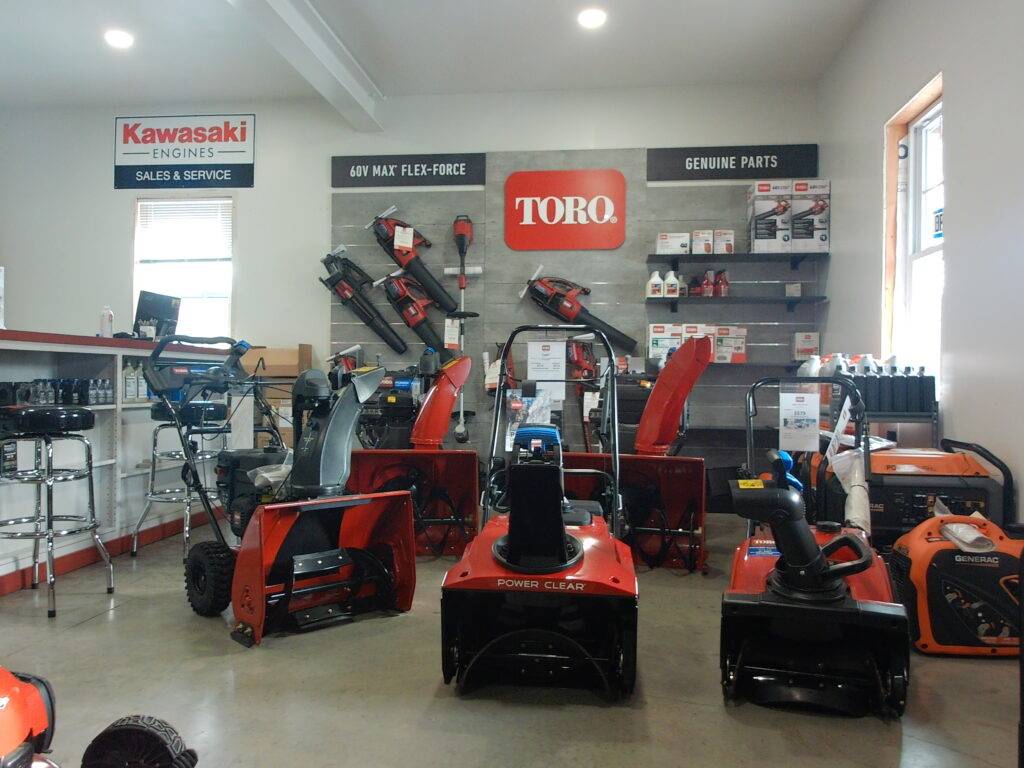
Selecting the right snow clearing machine depends directly on your driveway surface and local snowfall volume:
| Snowblower Category | Best Property Application | Snow Depth Capacity | Surface Compatibility |
| Single-Stage (Rubber Paddles) | Short paved driveways (1–2 cars) | Light snow (Up to 6 inches) | Smooth Asphalt / Concrete |
| Two-Stage (Auger + Impeller) | Long driveways (40+ feet), steep slopes | Heavy, wet snow (Up to 18 inches) | Gravel, Paved, or Steep Inclines |
| Three-Stage (Accelerator System) | Large acreage, rural lanes, heavy drifts | Deep, packed snow (18+ inches) | All Surfaces / Long Distances |
Single-stage snowblowers use rubber paddles that contact the ground directly, which can throw loose gravel and damage internal housing on unpaved country driveways. Two-stage and three-stage units feature adjustable skid shoes that elevate the auger housing above gravel surfaces.
For complete reviews and buying advice, check out the Snowblower Buying Guide.
Emergency Backup Generators for Rural Homes
Rural properties throughout Central Pennsylvania regularly experience grid failures during severe winter weather and summer windstorms. A reliable emergency generator keeps well pumps, sump pumps, refrigeration, and heating systems operational.
- Portable Inverter Generators (2,000W – 4,500W): Delivers clean, stable sine-wave power for sensitive electronics, fridges, and essential lighting.
- Heavy-Duty Portable Generators (7,500W – 12,000W): Capable of powering 240V deep-well pumps and home heating circuits via a manual transfer switch connection.
- Standby Whole-House Generators: Permanently installed units powered by LP or natural gas that automatically restore home power within seconds of a utility outage.
Learn more in the Homeowner Generator Guide.
Commercial-Grade Equipment for Small Farm Operators
Small farm operators, homesteaders, and large parcel owners across the Lykens Valley and Northumberland County require equipment engineered beyond standard residential duty cycles.
Why Commercial-Grade Equipment Pays Off on Acreage
Operating on 5 to 20+ acres subjects power equipment to constant stress from rough pastures, thick brush, and multi-hour running times.
- Heavy-Gauge Welded Frames: Commercial units feature 7-gauge or 10-gauge tubular steel construction that resists twisting and cracking under heavy loads.
- Commercial Transmissions: Hydro-Gear ZT-3400 or higher commercial hydrostatic transaxles feature heavy-duty charge pumps and spin-on oil filters, allowing continuous operation without thermal breakdown.
- Commercial Engine Filtration: Multi-stage canister air filters protect engine cylinders from high dust environments far better than single-layer residential paper filters.
What You Can Handle vs. When to Call a Pro
Maintaining outdoor power equipment requires knowing which service tasks are safe for your home workshop and when to utilize certified shop technicians.
Tasks Most Homeowners Can Handle
- Seasonal Spark Plug Replacement: Ensures crisp ignition and clean fuel combustion.
- Air & Fuel Filter Swaps: Quick slide-in filter replacements that prevent dirt intrusion into the carburetor.
- Deck Cleaning: Scraping built-up grass clippings from under the mower deck after use to prevent rust and maintain proper airflow.
- Tire Pressure Adjustments: Maintaining even tire pressures (typically 10–14 PSI) to ensure a level cut height across your lawn.
Tasks for Confident DIYers
- Mower Blade Sharpening & Balancing: Requires a socket set, angle grinder or file, and a blade balancer to restore sharp cutting edges without creating high-speed engine vibration.
- Belt Replacement: Involves routing drive or deck belts around tension pulleys according to the manufacturer’s schematic.
When to Call a Professional Service Center
- Hydrostatic Transmission Flushes: High-pressure hydraulic fluid and filter servicing that requires specialized fluid handling and system bleeding procedures.
- Carburetor Overhauls & Ultrasonic Cleaning: Required when untreated fuel creates varnish deposits that restrict internal passages.
- Engine Governor & Valve Adjustments: Precise mechanical calibration requiring feeler gauges to prevent destructive engine over-speeding.
Red flags requiring immediate professional attention: Metallic knocking sounds from the crankcase, heavy blue/white exhaust smoke, visible hydraulic oil leaks, or uncalibrated safety interlock switches.
Common Outdoor Power Equipment Mistakes to Avoid
Avoiding these four frequent equipment mistakes will save you significant time, stress, and repair expense throughout the year.
1. Waiting Until Severe Weather Hits to Buy Winter Gear
What people do wrong: Delaying snowblower or backup generator purchases until a major winter storm or ice warning is broadcast on local news.
Why it’s a problem: Local store inventories sell out within hours during panic-buying events, leaving homeowners stranded or forced to buy an undersized, inadequate unit.
The right approach: Evaluate, service, or purchase your snow removal tools and emergency generators in early autumn (September–October) well before freezing weather arrives.
2. Undersizing Snowblowers for Gravel Driveways
What people do wrong: Purchasing a lightweight single-stage snowblower for a 60+ foot gravel driveway.
Why it’s a problem: Single-stage rubber paddles scrape the ground directly, throwing loose gravel rocks into property windows, damaging the machine, and wearing out paddles prematurely.
The right approach: Invest in a two-stage snowblower with height-adjustable skid shoes that lift the auger housing 1/4 to 1/2 inch above gravel surfaces.
3. Mismatching Mower Deck Size to Property Topography
What people do wrong: Buying the widest available mower deck (60+ inches) for uneven, heavily contoured ground.
Why it’s a problem: Oversized rigid decks bridge over low spots and scalp high turf mounds, destroying turf roots and damaging mower blades.
The right approach: Match deck width to terrain contours. Properties with steep rolling hills often achieve a cleaner cut with a 48-inch or 54-inch deck equipped with anti-scalp wheels.
4. Leaving Untreated Ethanol Fuel in Fuel Tanks
What people do wrong: Leaving untreated E10 gasoline in equipment tanks over winter or long storage periods.
Why it’s a problem: Untreated ethanol attracts atmospheric moisture, leading to phase separation that corrodes aluminum carburetor bodies and clogs internal fuel passages.
The right approach: Add a quality fuel stabilizer to fresh gasoline at every fill-up, and run the engine for 5 to 10 minutes before off-season storage so treated fuel fills the carburetor lines. Leaving stabilized fuel in the system keeps internal rubber O-rings and diaphragms pliable while preventing phase separation.
Conclusion
Having the right outdoor power equipment makes maintaining Central Pennsylvania property efficient, safe, and rewarding. Whether you are preparing for spring lawn care, managing summer growth, clearing heavy fall leaf drop, or protecting your home against severe winter storms, investing in reliable equipment backed by expert local service ensures year-round peace of mind.
In our experience, homeowners who match their equipment setup to their specific acreage and seasonal demands spend significantly less money on emergency repairs and enjoy a far healthier property year after year.
Visit our Dalmatia showroom to test-drive top zero-turn mower models from Toro and Husqvarna, consult with the sales team on emergency generator sizing, or drop off your power equipment for certified seasonal service.
Ready to upgrade your property equipment? Browse the New Equipment Catalog or schedule your next tune-up with the Service Department today!
Serving Dalmatia, Lykens, Gratz, Berrysburg, Millersburg, and surrounding Central Pennsylvania.
Frequently Asked Questions
What outdoor power equipment do I need for 2 acres in Central PA?
For a 2-acre property in Central Pennsylvania, you need a 50-inch to 54-inch zero-turn mower, a straight-shaft string trimmer, a 600+ CFM leaf blower, and a two-stage snowblower. This combination allows you to handle rapid spring turf growth efficiently, maintain long fence lines, clear heavy autumn leaves, and clear snow from long driveways without overwhelming your machinery.
When should I start thinking about winterizing my equipment in Pennsylvania?
Equipment winterization should begin in late October or early November before ambient temperatures drop below freezing consistently. Winterization includes adding fuel stabilizer to fuel tanks, running the engine for 5 to 10 minutes to fill carburetor lines with treated fuel, draining dirty summer oil, removing battery connections on riding mowers, and storing gear inside a dry shed or garage.
What’s a frequently overlooked piece of outdoor power equipment for homeowners?
A frequently overlooked piece of equipment is an emergency backup generator. Many homeowners wait until a major ice storm or severe summer thunderstorm knocks out utility power for days before shopping, when local retail inventory is completely exhausted. Investing in a generator during the off-season ensures your home well pump and heating systems remain operational.
Do I need a commercial mower if I have a large property?
You do not strictly need a commercial mower for a large residential property, but heavy-duty mowers with fabricated steel decks and commercial hydrostatic transmissions offer distinct advantages. If you mow more than 3 acres weekly, operate on rough agricultural terrain, or want a machine built to last 15+ years, stepping up to a commercial model is a smart long-term investment.
What generator size do I need for a rural Pennsylvania home?
A 7,500 to 10,000-watt portable generator is typically required to power essential rural home systems, including a 240V deep-well pump, sump pump, refrigerator, heating system fan, and essential lighting circuits. If you plan to power central air conditioning systems or multiple 240V appliances simultaneously, a 12,000+ watt portable unit or dedicated standby generator is recommended.
Related Resources
- Lawn Mower Sizing Guide — https://powerlineequipment.us/how-to-choose-the-right-size-lawn-mower-for-your-property-in-central-pennsylvania/
- Snowblower Buying Guide — https://powerlineequipment.us/how-to-choose-the-right-snowblower-for-homeowners/
- Homeowner Generator Guide — https://powerlineequipment.us/the-ultimate-generator-guide-is-your-generator-ready-to-run/
- Products Page — https://powerlineequipment.us/products/
- Service Department — https://powerlineequipment.us/services/
Sources
- Penn State Extension — Lawn Management Through the Seasons
- NOAA National Centers for Environmental Information — Regional climate data throughout the United States