
Read Time: 7 Minutes
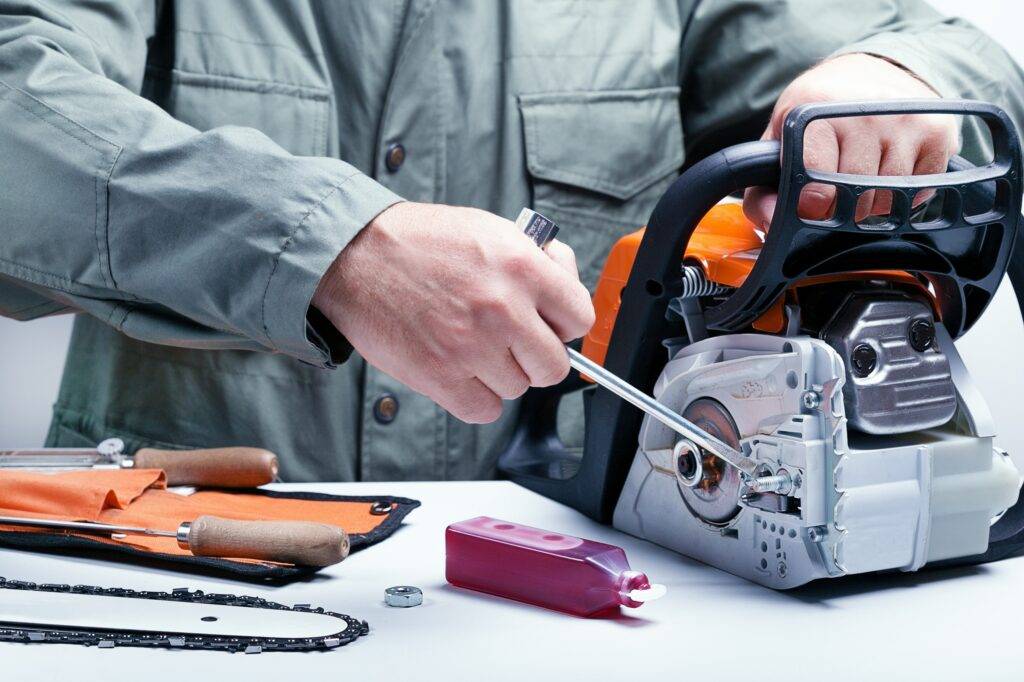
Handheld power equipment is the backbone of property maintenance in Central Pennsylvania. Whether you’re clearing brush with a trimmer, cleaning up after a storm with a chainsaw, or managing fall leaves with a blower, you rely on these tools to start on the second or third pull. However, the two-stroke engines found in handheld tools are high-performance machines that require a different approach than your standard lawn mower.
At Powerline Equipment, we see a lot of handheld gear come through our shop in Dalmatia. Often, the difference between a tool that runs for a decade and one that ends up in the scrap heap is understanding the unique needs of two-stroke engines—specifically fuel ratios and ignition health. This guide will help you diagnose the most common issues with your handheld fleet and help you decide when a professional tune-up is the right move.
TL;DR / Quick Summary
Handheld equipment relies on a precise mix of fuel and air in a compact two-stroke engine. Most “won’t start” issues are caused by improper fuel ratios, clogged spark arrestors, or flooded engines.
Key Takeaways
- Fuel Mix: Always use a precise 50:1 ratio with a high-quality stabilizer.
- Spark Arrestors: A clogged screen in the muffler is a common but overlooked cause of power loss.
- Choke Management: Over-priming is the leading cause of engine flooding in handheld tools.
- Professional Care: If the engine has “scored” the piston due to straight-gassing, professional repair is required.
Understanding the Two-Stroke Small Engine Difference
Unlike your lawn mower, which likely has a four-stroke engine with a dedicated oil reservoir, your handheld equipment—including brands like Husqvarna, RedMax, and Stihl—uses a two-stroke engine. These engines are lighter and can operate at any angle, but they are far more sensitive to fuel quality.
In our experience at the shop, the most common “killer” of handheld equipment is “straight-gassing”—running the tool on pure gasoline without the required 2-cycle oil mix. Without that oil, the engine has no lubrication and will seize within minutes. Always double-check your mix before you pull that starter cord.

Chainsaw Troubleshooting: Beyond the Engine
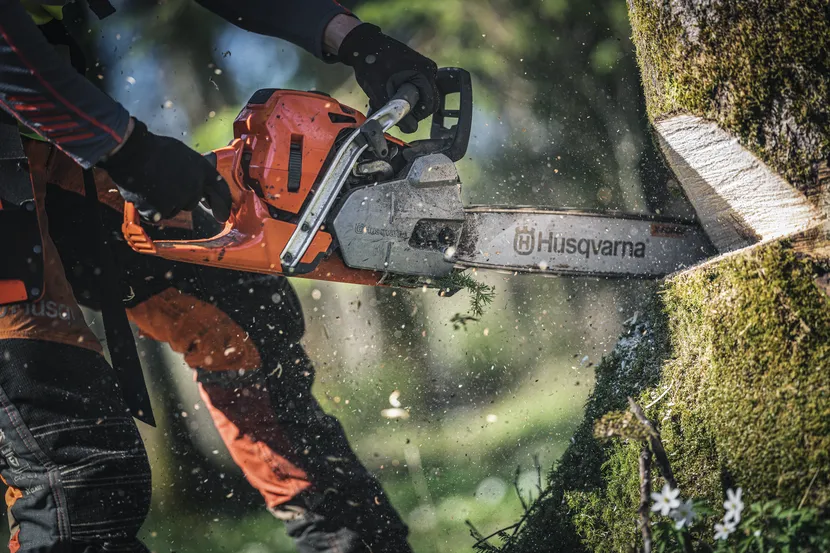
Chainsaws are the most complex handheld tools because they have an external cutting system that can affect engine performance. If your saw starts but won’t cut or dies under load, the issue might not be the engine at all.
Common Symptoms & Fixes:
- Saw Starts but Chain Won’t Move: Check the chain brake. It’s easy to accidentally engage it during transport. If the brake is off and the chain is stuck, the clutch may be frozen or the bar may be pinched.
- Engine Bogs Down in Wood: This often points to a dull chain or a clogged air filter. High-performance saws need a clean filter to maintain the high RPMs required for cutting.
- Bar is Smoking: Check your bar oil levels and ensure the oiler hole isn’t plugged with sawdust.
String Trimmer and Leaf Blower Repair Basics
Trimmers and blowers often sit for longer periods than chainsaws, making them prime candidates for fuel system clogs.
What to Check Yourself:
- The Primer Bulb: If the bulb is cracked or doesn’t fill with fuel when pressed, you have a leak in the fuel line. These lines become brittle over time and are a simple DIY replacement.
- The Spark Arrestor Screen: Located inside the muffler, this small screen prevents sparks from exiting. Over time, it can clog with carbon, literally “suffocating” the engine. If your trimmer starts but has no power, cleaning this screen often fixes it.
- Old Fuel: If the tool has been sitting in your shed for more than 30 days with untreated gas, the carburetor jets are likely gummed up.

Professional Small Engine Repair in Dalmatia, PA
We want you to get the most out of your equipment, but knowing your limits saves time and prevents further damage.
Tasks Most Homeowners Can Do
- Spark Plug Replacement: A fresh plug every season ensures a strong spark.
- Air Filter Cleaning: Essential for maintaining the correct air-to-fuel ratio.
- Fuel Line Inspection: Checking for cracks or leaks in the clear plastic lines.
When to Call a Professional
- Carburetor Adjustments: Modern engines—including Husqvarna, RedMax, and other professional-grade brands—often require specialized tools to adjust the high and low-speed needles. Attempting this without the proper equipment can cause the engine to run too “lean,” leading to catastrophic failure.
- Starter Cord Replacement: If the recoil spring has snapped, it can be a dangerous and frustrating DIY task.
- Engine Diagnostics: If you suspect the engine was run on straight gas, we can perform a compression test to see if the cylinder is still viable or if the damage is terminal.
Conclusion
Maintaining your handheld equipment is all about the “Big Three”: Fresh fuel mix, clean air, and a clear exhaust. By following these troubleshooting steps, you can solve most minor issues in your own driveway.
If your equipment is still acting up, don’t struggle with it all weekend, reach out to our team. We offer a convenient pickup and delivery service for our neighbors in Central PA, making it easier than ever to get your gear back in peak condition.
Powerline Equipment 1069 Mahantongo Creek Road, Dalmatia, PA (717) 517-2364
Frequently Asked Questions (FAQ)
Why is my chainsaw leaking oil while sitting in the garage?
Most chainsaws will "weep" a small amount of bar oil after use as the tank vents and the bar cools down. However, a large puddle usually indicates a degraded oil line or a failing oil pump seal that needs professional attention.
Can I use E85 or high-ethanol fuel in my trimmer?
No. Fuel with more than 10% ethanol is not approved for use in small engines. Ethanol absorbs moisture, which causes fuel to separate in the tank — corroding carburetors, degrading fuel lines, and making starting difficult or impossible. For best results, use ethanol-free Rec 90 fuel.
How do I know if I've "flooded" my engine?
If there is a strong smell of gasoline and the starter cord feels slightly harder to pull, the engine is likely flooded. To fix this, move the choke to the "off" position, hold the throttle wide open, and pull the cord 5–10 times to clear the excess fuel from the combustion chamber.
What is the correct fuel mix for my handheld equipment?
Most modern handheld tools require a 50:1 gasoline-to-oil ratio. This equates to 2.6 ounces of 2-cycle oil per 1 gallon of gasoline. Using the wrong ratio can lead to excessive smoke (too much oil) or engine failure (too little oil).
How often should I have my handheld equipment serviced?
For residential use, a professional "Spring Tune-Up" once a year is usually sufficient. For commercial crews, we recommend a mid-season check-up to ensure the cooling fins are clear and the fuel system is holding pressure.
Serving Dalmatia, Millersburg, Gratz, Lykens, Herndon, Berrysburg, Halifax, Williamstown, Tower City and the surrounding communities.
Sources:
- EPA Fuel Partial Waviers: https://www.epa.gov/gasoline-standards/e15-fuel-partial-waivers